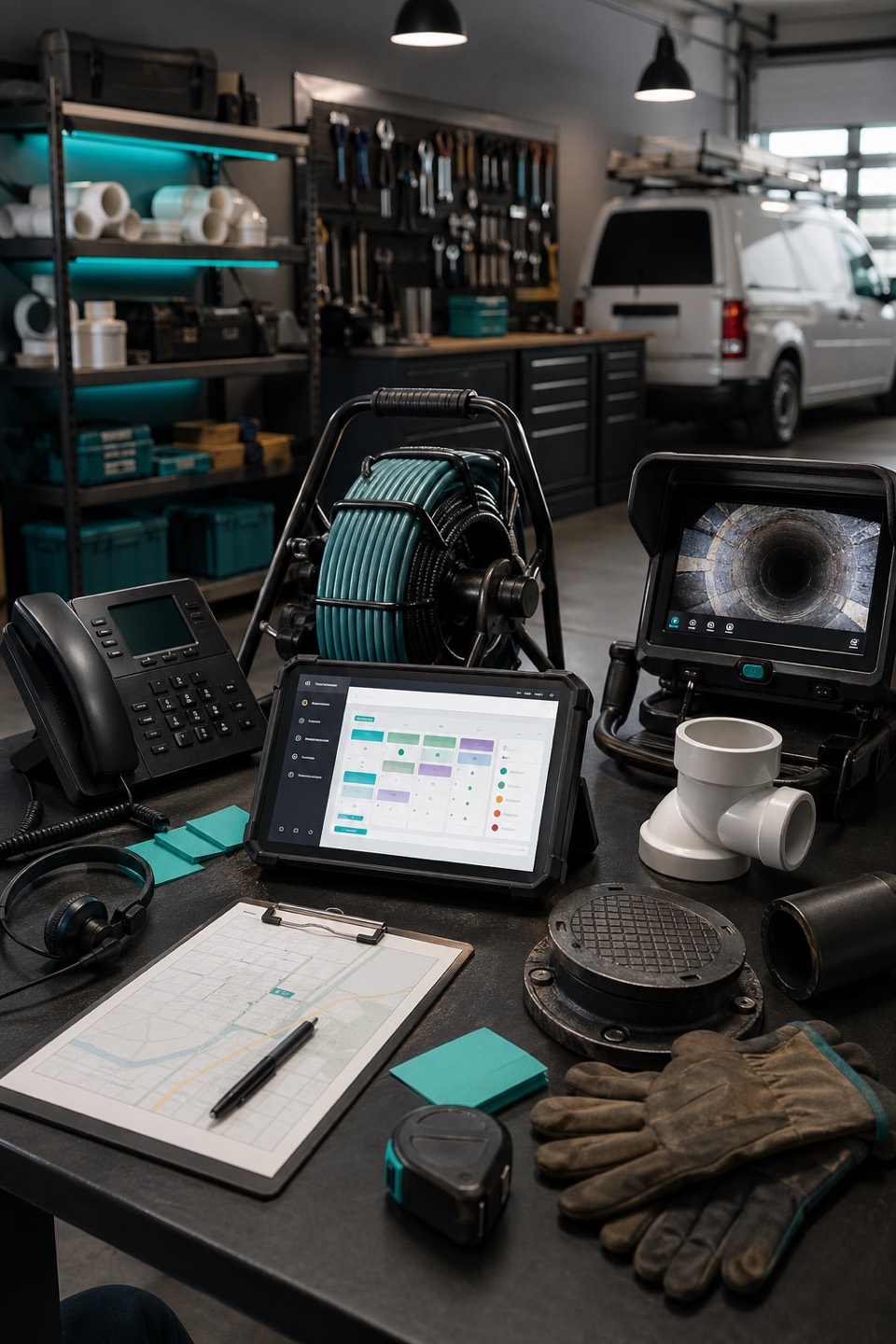
AI For Sewer Line Repair Calls
iando.ai answers sewer line repair, sewer camera, root intrusion, broken pipe, trenchless replacement, cleanout, access, permit, and after hours calls 24/7 so high-value sewer demand gets organized before the homeowner keeps calling.
Built for plumbing and sewer repair teams where the first answer needs to capture symptoms, camera context, access constraints, property impact, estimate readiness, and staff-only decisions without pretending to diagnose the line.
Built around the jobs your phone has to do: answer, schedule, handle approved Q&A, create the next step, and recover missed-call revenue.
Edit call volume, qualified intent, 25% lift, and average inspection or repair opportunity value.
Planning model only. Replace with call logs, camera inspection rate, repair versus replacement mix, trenchless fit, permit and restoration constraints, crew capacity, estimate close rate, and actual average invoice value.
The business case for sewer line repair call teams
Start with the calls the business already earned, then estimate which ones can become appointments, jobs, consults, or useful follow-ups.
For sewer line repair calls, ROI is recovered inspections, repair estimates, trenchless conversations, replacement jobs, after hours demand, and cleaner staff follow-up before the caller compares another company.
- Monthly sewer repair, camera, root, collapse, trenchless, and second-opinion calls
- Estimate-ready or inspection-ready share of those calls
- Average sewer inspection, repair, or replacement opportunity value
- A conservative 25% lift from immediate answering and cleaner intake
- Sewer repair, camera inspection, root intrusion, broken pipe, trenchless, and second-opinion calls answered immediately
- Camera status, report language, cleanout access, affected fixtures, photos, and property constraints captured
- Repair, replacement, trenchless review, after hours, real estate, and staff review paths separated
- Sewage, cleanup, code, permit, warranty, utility, insurance, and exact price questions kept inside approved rules
What missed calls actually look like for sewer line repair call teams
These are the moments where demand slips away because the team is already busy serving customers, patients, or active jobs.
Camera proof raises the stakes
A caller may already have a video, a report, a repeat backup, a root intrusion warning, a collapsed line concern, or a real estate deadline. If the first company sounds generic, the buyer keeps comparing.
Repair value depends on context
A cleanout-only visit, sewer camera, spot repair, pipe lining, pipe bursting, driveway cut, permit, or full replacement all need different follow-up questions before staff can speak credibly.
Sewage and excavation questions need guardrails
The call path should capture what the caller reports and then move safety, cleanup, code, warranty, insurance, ownership, and exact price questions to staff.
What public data says about this buying behavior
Every stat references a public source below, so the revenue argument stays grounded instead of padded with invented benchmarks.
Sewer repair calls can carry meaningful opportunity value before camera, cleanout, access, permits, trenchless fit, and restoration constraints are counted.
Camera status and report availability should be captured because video proof often changes the next call, estimate, and repair conversation.
Trenchless interest needs careful intake around pipe condition, access, length, permits, entry points, roots, and collapsed sections before staff discuss method fit.
Sewer Line Repair Call Teams need phone coverage built around their actual calls
The phone experience should match how the business earns trust, books revenue, and hands off exceptions.
Sewer repair callers are comparing confidence
These callers are often deciding between several local sewer teams. A fast, specific answer can make the company sound prepared before the estimate conversation starts.
Inspection context changes the next step
HomeGuide reports sewer line replacement can run from $2,000 to $10,000 for 40 linear feet, while camera inspection, cleanout, repair method, and access can change the plan.
Sewer issues can affect property and health
EPA says sanitary sewer overflows can back up into homes, cause property damage, and threaten public health. That supports careful intake, not improvised advice.
How iando.ai handles these calls
The best first layer is fast answer, clear qualification, then booking or escalation based on your operating rules.
Answer and classify the sewer repair call
iando.ai identifies sewer camera, root intrusion, broken pipe, collapsed line, repeat backup, cleanout, trenchless repair, pipe lining, pipe bursting, second opinion, or estimate interest.
Capture what staff need
It gathers address, caller role, symptoms, camera status, prior report, cleanout access, affected fixtures, standing water, yard or driveway constraints, permit concerns, photos, and timing pressure.
Create the next approved step
Inspection, estimate, repair, replacement, trenchless review, after hours, real estate deadline, and staff-only calls move through the company's approved dispatch or callback rules.
Calls iando.ai can answer, escalate, or recover
These conversations are the highest-leverage starting point because they connect directly to revenue, schedule protection, or staff capacity.
Camera inspection and second-opinion calls
Homeowners, agents, or buyers asking about a sewer scope, existing video, root intrusion, belly, offset joint, clay pipe, or report language.
Outcome: Capture report status, property deadline, access, photos, video availability, and the right staff review path.
Repair versus replacement calls
Callers comparing spot repair, pipe lining, pipe bursting, excavation, cleanout installation, replacement, or financing-sensitive next steps.
Outcome: Separate estimate-ready intent from technical judgment so staff can respond with useful context.
Repeat backup and sewage-sensitive calls
Calls involving repeated clogs, floor drain water, basement impact, sewer odor, dark water, cleanup questions, or urgent household disruption.
Outcome: Document symptoms and urgency while keeping health, cleanup, and safety decisions with qualified staff.
Access, permit, and property-impact calls
Questions about cleanouts, yards, driveways, sidewalks, landscaping, trees, utility marking, permits, HOA timing, or occupied property constraints.
Outcome: Give estimators the site context needed before they talk scope, timing, or method.
What operators actually care about
More sewer repair opportunities captured
Camera, root, broken pipe, repeat backup, trenchless, replacement, and second-opinion callers get an immediate sewer-specific answer instead of voicemail.
Cleaner estimate conversations
Staff receive camera status, report language, access notes, affected fixtures, property constraints, deadline pressure, and staff-only questions before calling back.
Better guardrails around high-risk questions
Sewage, cleanup, safety, code, permit, insurance, warranty, utility, and exact pricing questions stay inside approved company rules.
Where the payoff shows up operationally
- Sewer repair, camera inspection, root intrusion, broken pipe, trenchless, and second-opinion calls answered immediately
- Camera status, report language, cleanout access, affected fixtures, photos, and property constraints captured
- Repair, replacement, trenchless review, after hours, real estate, and staff review paths separated
- Sewage, cleanup, code, permit, warranty, utility, insurance, and exact price questions kept inside approved rules
How the operation changes when the phone stops leaking revenue
A sewer repair call hits voicemail while the homeowner compares another company with camera equipment.
AfterThe call is answered, classified, and moved toward inspection, estimate, repair, replacement, or staff review.
Staff calls back without knowing whether there is a video, report, root issue, repeat backup, or real estate deadline.
AfterThe summary includes the facts needed to make the next response specific.
Repair, replacement, trenchless, and second-opinion calls mix together.
AfterEach path captures the context staff need before discussing method, timing, or price.
Sewage, cleanup, insurance, and safety questions invite rushed answers.
AfterApproved language keeps sensitive decisions with staff while the first answer captures useful facts.
Questions before putting AI on the phone
Sewer repair calls require real technical judgment
Correct. iando.ai should not diagnose the line, choose a repair method, or quote exact work. It captures context and sends staff the facts needed for a credible response.
We need to review the camera video first
Keep that rule. The call path can ask whether a video, report, photo, or prior estimate exists and attach that context to the next human follow-up.
Some jobs are not a fit for our crew
That is why access, distance, driveway, sidewalk, tree, utility, permit, property type, and timing constraints should be captured before the estimate conversation.
Turn more calls into booked revenue for sewer line repair call teams.
iando.ai is built for businesses that depend on the phone and lose money when callers do not get a fast, useful answer. Book a demo and map the revenue path to your call volume, hours, and booking logic.
Frequently asked questions
Can AI answer sewer line repair calls safely?
Yes, when it stays inside approved intake language. It should collect facts, avoid technical diagnosis, and send repair method, safety, cleanup, code, permit, warranty, and exact price questions to staff.
Can it handle sewer camera calls?
It can capture whether the caller needs a camera inspection, already has a video or report, wants a second opinion, or needs staff to review findings before the next step.
Does it decide whether to line, burst, excavate, or replace?
No. It follows company rules and gathers the context a sewer specialist needs before recommending an inspection, estimate, repair, or replacement path.
Why make this separate from a main line clog call plan?
Main line clog calls usually start with symptoms. Sewer repair calls often involve camera proof, bigger project value, access questions, property deadlines, and method comparisons.
Deeper guides for sewer line repair call teams
Each guide gives operators practical depth around staffing, call handling, conversion, and operational efficiency.
Sewer line repair calls are won by the first prepared answer
Sewer line repair callers need a prepared first answer that captures camera status, symptoms, access, property impact, method questions, guardrails, and a credible next step.
Read ROI guideMore phone-revenue paths
Research behind this page
These references support the phone-demand, local-search, and response-speed claims above.
HomeGuide • 2025-12-22 • Accessed 2026-04-30
HomeGuide sewer line repair and replacement guide reporting $50 to $250 per linear foot, $2,000 to $10,000 for 40 linear feet, $150 to $3,800 for repairs, and cost factors such as camera inspection, cleanout, permits, pipe location, and backflow prevention.
Open sourceAngi • 2026-04-04 • Accessed 2026-04-30
Angi 2026 trenchless sewer guide reporting $1,900 to $6,000 for sewer pipe lining projects, $2,900 average project cost, permits up to $1,000, camera inspections from $175 to $350, and cost factors including pipe condition, length, access, root intrusion, collapse, and entry points.
Open sourceInterNACHI • Accessed 2026-04-30
InterNACHI overview explaining that sewer scopes are video inspections of lateral sewer lines and can reveal blockages, pipe damage, and other problems important to homeowners and buyers.
Open sourceInterNACHI • Accessed 2026-04-30
InterNACHI standards describing sewer scope inspection purpose, visible material defects, inspected portions of the lateral sewer line, report expectations, limitations, access constraints, and exclusions.
Open sourceU.S. Environmental Protection Agency • Accessed 2026-04-29
EPA overview explaining that sanitary sewer overflows can release raw sewage, back up into homes, cause property damage, threaten public health, and occur at an estimated 23,000 to 75,000 events per year in the U.S. before building backups are counted.
Open sourceU.S. Environmental Protection Agency • Accessed 2026-04-29
EPA FAQ describing raw-sewage health risks, property damage, cleanup and disinfection concerns, and reduction measures such as sewer system cleaning and maintenance.
Open sourceU.S. Bureau of Labor Statistics • 2025-08-28 • Accessed 2026-04-29
BLS Occupational Outlook Handbook profile for plumbers, pipefitters, and steamfitters covering 2024 employment, projected 2024-2034 growth, annual openings, emergency on-call work, and evening/weekend schedules.
Open sourceInvoca • 2025-08-18 • Accessed 2026-04-29
Invoca analysis showing live answer-rate benchmarks across industries and calling behavior for high-stakes purchases.
Open sourceBrightLocal • 2025 • Accessed 2026-04-29
Survey of 1,000 US consumers about general and local search behavior, maps usage, and business information expectations.
Open source