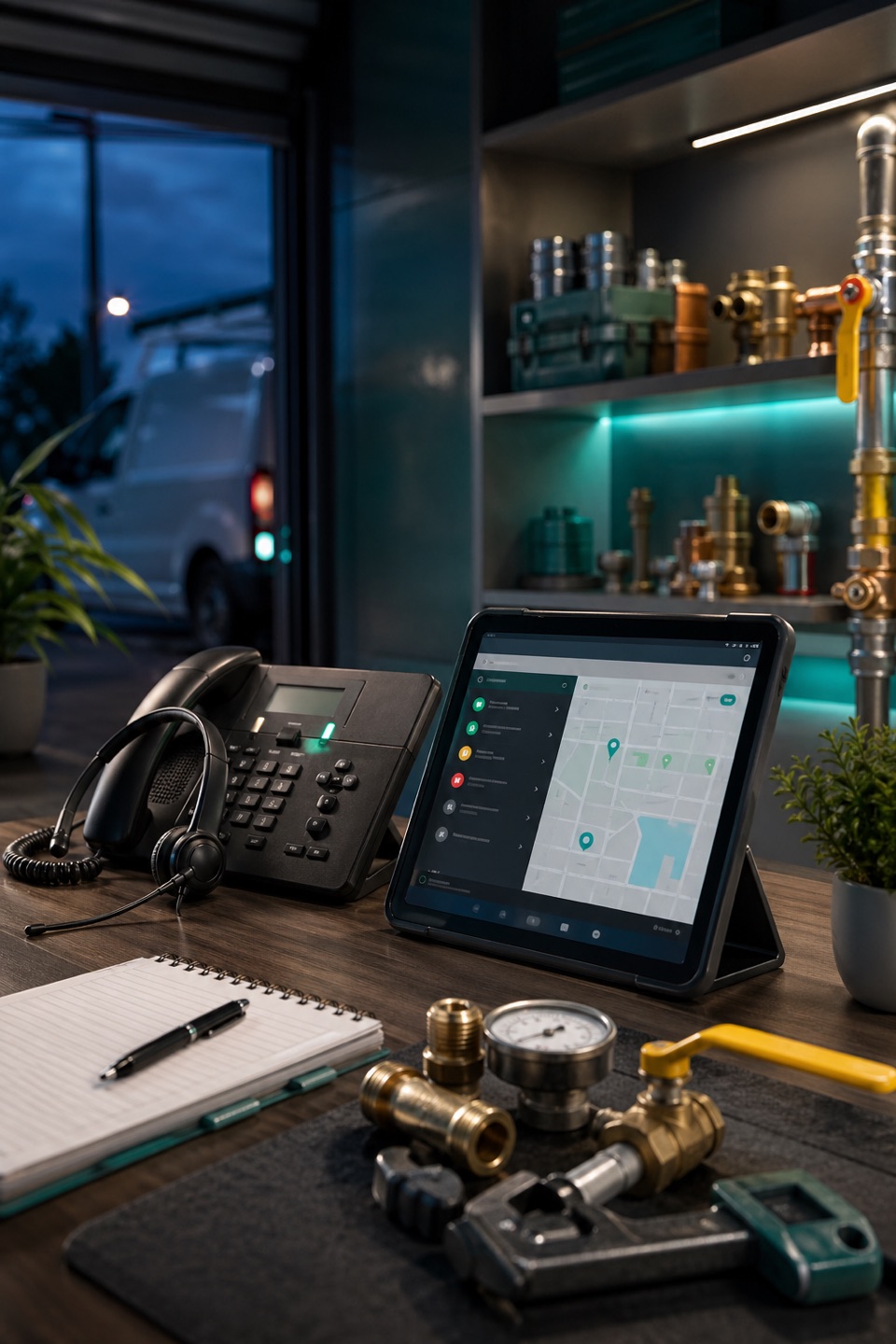
AI For Gas Smell Calls
iando.ai answers calls about rotten egg odor, possible gas line leaks, appliance connection concerns, tenant reports, and after-hours gas smell anxiety 24/7 so sensitive caller language is captured and escalated through approved rules.
Built for plumbing, gas line, property management, HVAC, appliance, and emergency home-service teams where the first answer must lower panic, avoid troubleshooting, and move the next step to qualified people fast.
Built around the jobs your phone has to do: answer, schedule, handle approved Q&A, create the next step, and recover missed-call revenue.
Edit call volume, buyer intent, 25% lift, and average protected urgent gas response value.
Planning model only. Replace with call logs, after-hours share, utility handoff rate, plumber dispatch rules, gas line repair mix, appliance connection share, property management account value, and actual close rates.
The business case for emergency gas smell call teams
Start with the calls the business already earned, then estimate which ones can become appointments, jobs, consults, or useful follow-ups.
For gas smell calls, ROI is recovered emergency diagnostics, gas line repairs, appliance connection visits, property manager trust, after-hours intake, and safer handoffs protected by immediate call coverage.
- Monthly gas smell, suspected leak, appliance connection, and after-hours gas calls
- Emergency, diagnostic, repair, utility, or staff-review intent share
- Average urgent diagnostic, gas line repair, or protected account value
- A conservative 25% lift from immediate answering and cleaner intake
- Gas smell, suspected leak, appliance connector, meter, and tenant calls answered immediately
- Caller role, address, odor description, location, appliance context, utility contact, access, and deadline pressure captured
- Emergency, utility, plumber, property manager, business, quote, and staff-review paths separated
- Safety-sensitive language escalated without AI diagnosis or DIY gas guidance
What missed calls actually look like for emergency gas smell call teams
These are the moments where demand slips away because the team is already busy serving customers, patients, or active jobs.
Gas smell callers are already worried
A rotten egg odor, hissing sound, pilot light concern, appliance connection question, or tenant report can make the caller keep dialing until one company sounds prepared and careful.
Unsafe advice creates risk
The first answer should not diagnose a leak, tell the caller to test anything, decide whether the property is safe, or promise a repair outcome. It should capture facts and follow approved escalation language.
Property managers need update-ready context
A tenant gas odor report can involve resident fear, access, owner updates, utility contact, after-hours pressure, vendor shopping, and documentation before the repair scope is known.
What public data says about this buying behavior
Every stat references a public source below, so the revenue argument stays grounded instead of padded with invented benchmarks.
Gas smell calls should capture the caller's exact odor language without pretending the first answer can confirm a leak.
The call path should use approved emergency and utility language instead of offering troubleshooting or safe access judgments.
Urgent gas calls can carry meaningful diagnostic, repair, emergency labor, and account-protection value when captured correctly.
A small number of recovered gas line calls can justify immediate answering before repair severity and follow-on work are known.
Skilled trade capacity is finite, so cleaner intake protects on-call time during evenings, weekends, and emergency windows.
Emergency Gas Smell Call Teams need phone coverage built around their actual calls
The phone experience should match how the business earns trust, books revenue, and hands off exceptions.
The first answer shapes trust
Callers do not need a generic callback when they mention gas odor. They need to hear that the concern was understood, the right details are being captured, and the next step is moving through the company's rules.
Safety guardrails are the product
Gas smell coverage is valuable because it is careful. iando.ai captures the caller's language and context while leaving emergency instructions, utility decisions, entry decisions, and repair judgment to approved rules and qualified people.
The callback changes with a few details
Inside versus outside odor, appliance involved, tenant versus owner, business hours, utility contact, access notes, and whether anyone is waiting on an update all change the next human response.
How iando.ai handles these calls
The best first layer is fast answer, clear qualification, then booking or escalation based on your operating rules.
Answer and identify the gas concern
iando.ai separates gas smell, suspected leak, appliance connector, pilot light, meter, outdoor odor, tenant report, business concern, and quote-only calls right away.
Capture context without troubleshooting
It gathers caller role, address, odor description, location, appliance mention, timing, access, utility contact status, property manager context, and callback expectations without giving repair steps.
Move the next step through approved rules
Emergency language, utility handoff, plumber dispatch, staff review, tenant update, and follow-up paths follow the company's safety-approved call coverage rules with a concise summary attached.
Calls iando.ai can answer, escalate, or recover
These conversations are the highest-leverage starting point because they connect directly to revenue, schedule protection, or staff capacity.
Rotten egg odor and suspected leak calls
Homeowners, tenants, business operators, or managers describing gas smell, unusual odor, hissing, meter area concern, outdoor odor, or worry near a gas appliance.
Outcome: Capture the exact caller language, location, role, timing, and emergency context while avoiding diagnosis or safe access promises.
Appliance and gas line connection calls
Questions tied to stoves, dryers, water heaters, furnaces, fireplaces, grills, pilot lights, shutoff valves, connectors, permits, or inspection follow-up.
Outcome: Separate quote, repair, inspection, reconnection, utility, and urgent concern paths before staff respond.
Tenant and property manager escalation
Resident reports, owner-thread pressure, access needs, after-hours worry, utility contact, proof notes, and vendor-shopping risk.
Outcome: Create an update-ready handoff that respects safety guardrails and preserves account trust.
Business and open-by-morning concerns
Restaurants, salons, laundromats, offices, and rental properties worried about gas appliances, access, service interruption, staff arrival, or customer opening time.
Outcome: Capture operational deadline, affected equipment, decision-maker, access, and callback expectations for a credible next step.
What operators actually care about
More urgent gas calls captured
Gas smell, suspected leak, appliance connector, meter, tenant, and after-hours calls get an immediate gas-specific first answer instead of blank voicemail.
Cleaner emergency and utility handoffs
Staff see the warning language, property context, access, utility contact status, tenant pressure, and callback expectations before responding.
Less risky improvisation
The call path avoids DIY gas advice, diagnosis, repair steps, safe access promises, and coverage claims while still moving the next step forward.
Where the payoff shows up operationally
- Gas smell, suspected leak, appliance connector, meter, and tenant calls answered immediately
- Caller role, address, odor description, location, appliance context, utility contact, access, and deadline pressure captured
- Emergency, utility, plumber, property manager, business, quote, and staff-review paths separated
- Safety-sensitive language escalated without AI diagnosis or DIY gas guidance
How the operation changes when the phone stops leaking revenue
A gas smell call hits voicemail while the caller keeps searching.
AfterThe call is answered, classified, and escalated with the exact caller language attached.
The on-call person starts from a missed number with no property or appliance context.
AfterThe summary includes caller role, odor location, appliance mention, access notes, utility contact status, and timing pressure.
A tenant report becomes scattered texts, owner questions, and vendor shopping.
AfterResident impact, owner update, access, and documentation context are captured in one path.
After-hours coverage sounds generic during a safety-sensitive moment.
AfterThe caller hears a gas-specific intake path built around guardrails and next-step clarity.
Questions before putting AI on the phone
Gas smell calls can be dangerous
Correct. That is why the first answer should use approved language, avoid troubleshooting, avoid safe access promises, and move sensitive calls according to company and emergency rules.
The utility or emergency services may need to be involved
Those paths should stay inside the company's approved rules. iando.ai captures context and moves the call to the right next step instead of making utility or emergency decisions on its own.
We do not want AI deciding whether to dispatch
Keep that decision with staff. The value is a cleaner summary for the on-call person, owner, dispatcher, or property manager.
Turn more calls into booked revenue for emergency gas smell call teams.
iando.ai is built for businesses that depend on the phone and lose money when callers do not get a fast, useful answer. Book a demo and map the revenue path to your call volume, hours, and booking logic.
Frequently asked questions
Can AI answer gas smell calls safely?
Yes, when it stays inside approved intake and escalation language. It should capture context, avoid diagnosis or repair advice, and send sensitive calls through company, utility, or emergency rules.
Does iando.ai tell callers what to do during a gas leak?
It follows the language you approve. It should not improvise safety instructions, test steps, or safe access decisions.
Can this help plumbers and property managers?
Yes. It captures the gas odor report, appliance or meter context, access, tenant impact, utility contact status, owner update pressure, and callback expectations before staff respond.
Why separate this from general plumbing call coverage?
Because gas smell callers are in a different buying moment. They need calm intake, safety guardrails, and a credible next step faster than routine service shoppers.
Deeper guides for emergency gas smell call teams
Each guide gives operators practical depth around staffing, call handling, conversion, and operational efficiency.
Gas smell calls are won by the first careful answer
Gas smell callers need a calm first answer that captures the warning language, location, appliance context, access, and escalation path without unsafe troubleshooting.
Read ROI guideMore phone-revenue paths
Research behind this page
These references support the phone-demand, local-search, and response-speed claims above.
U.S. Department of Transportation PHMSA • 2017-05-25 • Accessed 2026-04-29
PHMSA guidance explaining how to recognize possible pipeline leaks by sight, sound, and smell; describing odorized gas distribution systems; and directing suspected leaks toward safe-location emergency notification rather than troubleshooting.
Open sourceCalifornia Public Utilities Commission • Accessed 2026-04-29
CPUC gas emergency response guidance listing gas leak signs, including rotten egg smell, hissing, and visible indicators, and warning against phones, switches, vehicles, flame, valve operation, and repair attempts in a potentially gaseous environment.
Open sourceHomeGuide • 2026-02-02 • Accessed 2026-04-29
HomeGuide 2026 gas leak repair guide reporting a $150-$3,500+ cost range, higher emergency labor rates, cost drivers by leak severity and location, and guidance to use licensed gas line professionals.
Open sourceAngi • 2026-03-17 • Accessed 2026-04-29
Angi 2026 gas line repair guide reporting an average repair cost around $598, a normal range of $271-$937, gas shutoff valve and emergency repair cost context, and warnings against DIY gas work.
Open sourceU.S. Bureau of Labor Statistics • 2025-08-28 • Accessed 2026-04-29
BLS Occupational Outlook Handbook profile for plumbers, pipefitters, and steamfitters covering 2024 employment, projected 2024-2034 growth, annual openings, emergency on-call work, and evening/weekend schedules.
Open sourceForbes Home • Accessed 2026-04-29
Forbes Home pricing guide covering emergency plumber cost ranges, after-hours trip fees, and higher-cost urgent plumbing scenarios.
Open sourceInvoca • 2025-08-18 • Accessed 2026-04-29
Invoca analysis showing live answer-rate benchmarks across industries and calling behavior for high-stakes purchases.
Open sourceBrightLocal • 2025 • Accessed 2026-04-29
Survey of 1,000 US consumers about general and local search behavior, maps usage, and business information expectations.
Open source