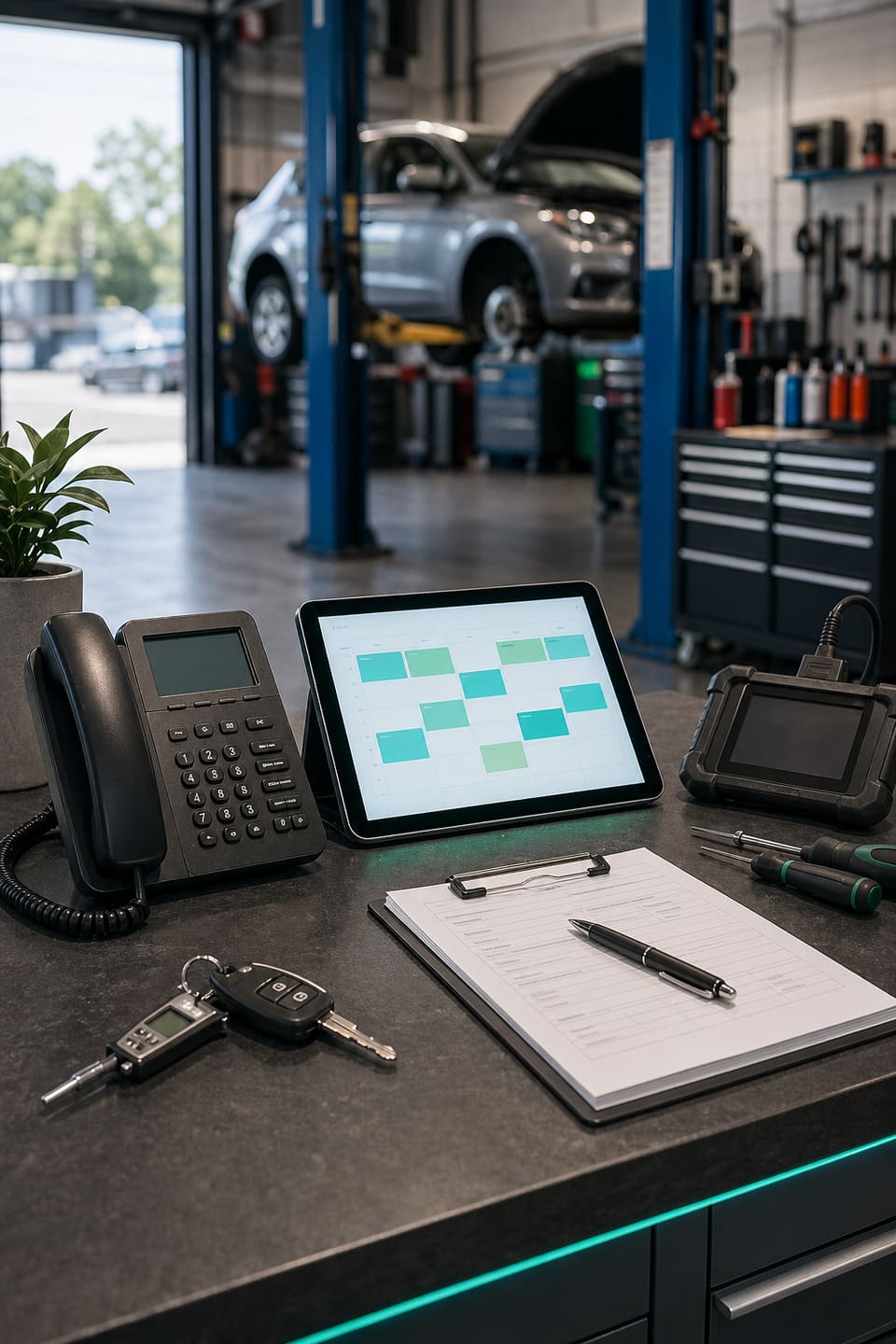
AI For Accident Tow Calls

Answer accident tow calls before the driver calls the next truck

185 calls per month modeled
+27 more conversions per month
$85,304 annual upside modeled

iando.ai answers accident tow, disabled vehicle, roadside, police scene, repair shop drop-off, insurance, storage, and after-hours calls 24/7 so stressed drivers hear a clear next step before they keep dialing.

Built for towing companies where the first answer has to capture location, vehicle condition, roadway context, destination, payment or coverage questions, and safety-sensitive details without giving unsafe roadside advice.

Built around the jobs your phone has to do: answer, schedule, handle approved Q&A, create the next step, and recover missed-call revenue.

  • 24/7 first answer for accident tow and disabled vehicle calls
  • Location, vehicle type, drivable status, scene context, destination, and photos captured
  • Police scene, shoulder, shop drop-off, insurance, storage, and after-hours paths separated
  • Roadside safety, injury, traffic, and legal questions kept inside approved human rules
Revenue Lift 24/7
Monthly revenue upside

Edit call volume, buyer intent, 25% lift, and average protected tow, storage, or roadside value.

$7,109/mo
+27 recovered accident tow jobs/mo
90-day guarantee: book 20% more business or your money back.
Run your numbers
185 calls/mo, 58% intent, 25% lift 24/7 coverage captures the calls that happen after hours, during peaks, and while staff are busy.
$265 average protected tow, storage, or roadside value Average revenue per converted booking, job, consult, or appointment.
$85,304/yr Annualized upside from recovered appointment conversions.

Planning model only. Replace with call logs, after-hours mix, police scene share, vehicle type, mileage, storage use, shop drop-off rate, insurance or motor club coverage, truck availability, and actual close rates.

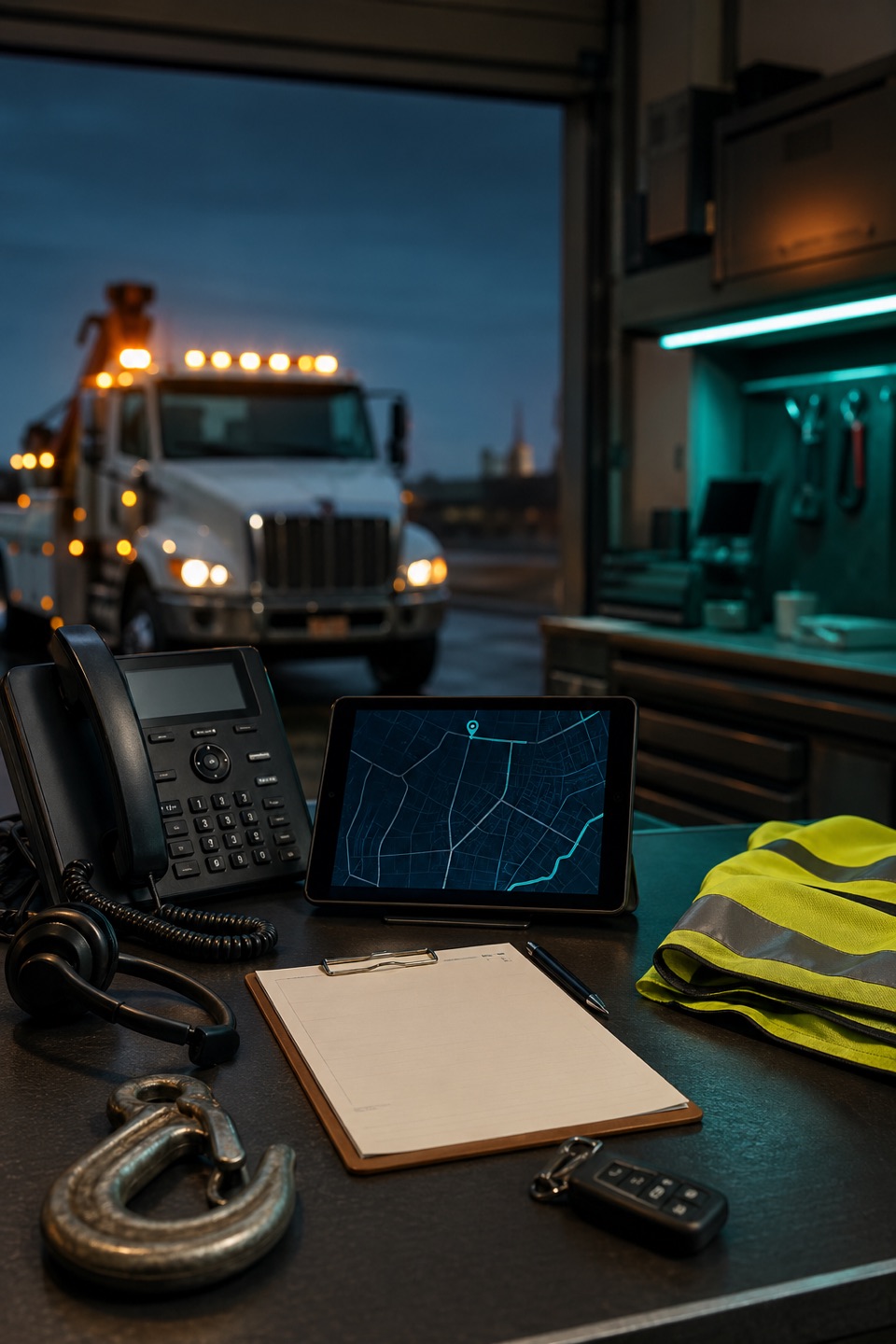
Industry ROI

The business case for emergency towing accident call teams

Start with the calls the business already earned, then estimate which ones can become appointments, jobs, consults, or useful follow-ups.

Accident tow call recovery
The business case starts with stressed accident callers who need certainty before another tow company answers.

For accident tow calls, ROI is recovered towing jobs, storage opportunities, shop drop-offs, insurance-related documentation, after-hours calls, and repeat roadside relationships protected by a prepared first answer.

Missed calls x bookable intent x average appointment value x recovery rate
  • Monthly accident tow, disabled vehicle, roadside, and police scene calls
  • Tow-ready or dispatchable intent share of those calls
  • Average protected tow, storage, or roadside response value
  • A conservative 25% lift from immediate answering and cleaner intake
What to recover first
Prioritize the calls with direct revenue or schedule impact.
  • Accident tow, disabled vehicle, shoulder, shop drop-off, and storage calls answered immediately
  • Exact location, vehicle condition, destination, keys, photos, coverage, and scene context captured
  • Flatbed, heavy-duty, motor club, insurance, police scene, and after-hours paths separated
  • Roadside safety, injury, police, legal, storage, and coverage questions kept inside approved human rules
Where Revenue Leaks

What missed calls actually look like for emergency towing accident call teams

These are the moments where demand slips away because the team is already busy serving customers, patients, or active jobs.

Accident callers are stressed and impatient

A driver beside a damaged or disabled vehicle is trying to solve location, safety, police, insurance, shop, storage, and payment questions at once. If the first call sounds uncertain, the next local tow company gets a chance.

Bad location details slow the truck

Dispatch needs exact road, cross street, mile marker, lot, direction of travel, vehicle type, drivable status, shoulder or lane context, access, photos, destination, and contact details before the truck can move confidently.

Sensitive questions need guardrails

Accident tow calls can include injuries, traffic exposure, police instructions, insurance coverage, storage fees, liability questions, and whether a vehicle is safe to drive. The first answer should capture facts and move sensitive decisions to staff or emergency services.

Proof And Context

What public data says about this buying behavior

Every stat references a public source below, so the revenue argument stays grounded instead of padded with invented benchmarks.

6.1M
police-reported U.S. traffic crashes estimated by NHTSA for 2023 1

Crash volume supports a dedicated accident tow call path built around location, vehicle condition, destination, and safety-sensitive escalation.

$75-$250
typical local tow cost range in Sherpa's 2026 guide 2

Average local tow value gives operators a conservative starting point before adding mileage, after-hours timing, storage, recovery, or shop drop-off value.

58%
observed drivers slowing down or moving over for stopped tow trucks 34

Roadside exposure makes careful intake important when callers mention lane position, shoulder location, police presence, or unsafe scene context.

$11.8B
U.S. automobile towing industry revenue expected in 2026 5

Towing is a large, locally competitive category where fast answer speed can decide who wins a stranded-driver or commercial-vehicle job.

Why This Industry Is Different

Emergency Towing Accident Call Teams need phone coverage built around their actual calls

The phone experience should match how the business earns trust, books revenue, and hands off exceptions.

Accident towing is a confidence race

The caller is not browsing casually. They need a truck, a destination, and a believable next step while the scene still feels unresolved.

The first details change the response

Two-car crash, single vehicle, shoulder breakdown, police scene, flatbed need, motorcycle, all-wheel drive, low-clearance vehicle, no-key situation, or closed repair shop all change the summary staff need.

Safety language has to stay careful

The call path should not tell a driver whether to stand near traffic, move a damaged vehicle, ignore police instructions, or diagnose injury risk. It should use approved escalation language and collect the details staff need.

How It Works

How iando.ai handles these calls

The best first layer is fast answer, clear qualification, then booking or escalation based on your operating rules.

01

Answer and classify the accident tow

iando.ai identifies accident tow, disabled vehicle, roadside assistance, police scene, shoulder stop, shop drop-off, insurance, motor club, storage, or after-hours request right away.

02

Capture what dispatch needs

It gathers exact location, vehicle year make model, vehicle condition, keys, wheels, destination, scene context, lane or shoulder notes, photos, contact details, payment or coverage context, and timing pressure.

03

Create the dispatch or callback path

Tow-ready, staff review, heavy-duty, shop drop-off, storage, police scene, motor club, insurance, and after-hours calls move through company-approved rules with a useful summary attached.

Calls It Handles

Calls iando.ai can answer, escalate, or recover

These conversations are the highest-leverage starting point because they connect directly to revenue, schedule protection, or staff capacity.

Accident tow and crash scene calls

Drivers, passengers, police, shops, or family members calling about damaged vehicles, blocked lanes, non-drivable cars, airbags, missing keys, or uncertain destination.

Outcome: Capture location, vehicle condition, scene status, police involvement, destination, photos, access, payment, and timing expectations for staff review or dispatch.

Disabled vehicle and shoulder calls

Roadside callers reporting breakdowns, no-starts, flat tires without a spare, overheats, steering or suspension issues, or vehicles stopped in a risky location.

Outcome: Collect exact location, vehicle type, roadway context, contact, destination, and whether staff should escalate safety-sensitive details.

Shop drop-off and storage questions

Calls involving closed repair shops, preferred body shops, storage yard, release, keys, after-hours access, photos, and insurance documentation.

Outcome: Create a clear follow-up path that reduces repeat explanations and protects the driver's trust.

Motor club, insurance, and payment calls

Callers asking whether the tow is covered, whether they can choose the tow company, where to send the vehicle, or what information the driver needs.

Outcome: Capture the reported coverage context and hand off payment, coverage, and policy decisions to approved staff language.

Outcomes

What operators actually care about

More accident tow jobs captured

Accident tow, disabled vehicle, shoulder, shop drop-off, insurance, storage, and after-hours callers get an immediate towing-specific response instead of blank voicemail.

Cleaner dispatch decisions

Staff receives exact location, vehicle condition, destination, keys, photos, scene context, coverage notes, and timing pressure before deciding which truck or follow-up fits.

Better driver confidence

The caller hears a prepared next step during a stressful moment, while safety, injury, police, legal, and coverage questions stay inside approved human rules.

Recovered Value

Where the payoff shows up operationally

  • Accident tow, disabled vehicle, shoulder, shop drop-off, and storage calls answered immediately
  • Exact location, vehicle condition, destination, keys, photos, coverage, and scene context captured
  • Flatbed, heavy-duty, motor club, insurance, police scene, and after-hours paths separated
  • Roadside safety, injury, police, legal, storage, and coverage questions kept inside approved human rules
Before And After

How the operation changes when the phone stops leaking revenue

Before

An accident tow call hits voicemail while the driver is still stressed beside a damaged vehicle.

After

The call is answered, classified, and moved toward dispatch, staff review, or a prepared callback.

Before

Dispatch calls back without exact location, vehicle condition, destination, key, or coverage context.

After

The summary includes the facts needed to make the next response credible.

Before

Accident scene, shoulder breakdown, shop drop-off, storage, insurance, and motor club calls mix together.

After

Tow-ready, review, coverage, storage, destination, and after-hours paths are separated early.

Before

After-hours coverage sounds vague during a stressful roadside moment.

After

The caller hears a towing-specific path built around location, vehicle status, and next step clarity.

Operator Questions

Questions before putting AI on the phone

Accident scenes can be dangerous

Correct. The AI should not give safety instructions beyond approved escalation language. It should capture what the caller reports and direct injury, traffic, fire, police, or unsafe-scene concerns to emergency services or staff rules.

Dispatch decides which truck to send

Keep that rule. iando.ai handles the first answer and context capture so dispatch starts with a cleaner summary instead of asking every basic question again.

Coverage and payment can get complicated

The call path should document motor club, insurance, shop, storage, and payment context without inventing policy answers or making coverage promises.

Recover Missed Revenue

Turn more calls into booked revenue for emergency towing accident call teams.

iando.ai is built for businesses that depend on the phone and lose money when callers do not get a fast, useful answer. Book a demo and map the revenue path to your call volume, hours, and booking logic.

FAQ

Frequently asked questions

Can AI answer accident tow calls safely?

Yes, when it stays inside approved intake language. It should not decide whether a scene is safe, whether a vehicle can be driven, whether someone is injured, or whether police instructions apply.

Can it choose the right truck?

It can capture details that help staff choose: vehicle type, drivetrain, damage, wheels, keys, location, destination, and access. The company still controls truck assignment.

Does it help with insurance and motor club calls?

Yes. It captures what the caller says about coverage, claim status, destination, and payment expectations while leaving policy and billing answers to approved staff rules.

Why build an accident tow call plan separate from general towing?

Because accident callers search and decide differently. They care about fast answer, location certainty, vehicle condition, police or shop context, and whether the company sounds prepared.

Supporting Guides

Deeper guides for emergency towing accident call teams

Each guide gives operators practical depth around staffing, call handling, conversion, and operational efficiency.

Accident tow calls are won by the first prepared answer

Accident tow callers need a fast answer that captures exact location, vehicle condition, destination, coverage context, and a credible next step before they call another towing company.

Read ROI guide
Sources

Research behind this page

These references support the phone-demand, local-search, and response-speed claims above.

1. Summary of Motor Vehicle Traffic Crashes: 2023 Data

NHTSA National Center for Statistics and Analysis • 2025-10 • Accessed 2026-04-29

NHTSA 2023 crash summary estimating 6,138,359 police-reported traffic crashes, 40,901 deaths, 2,442,581 injuries, and crash trends by severity and vehicle type.

Open source
2. How Much Does It Cost to Tow a Car?

Sherpa Auto Transport • 2026-03-24 • Accessed 2026-04-29

Sherpa Auto Transport 2026 towing guide reporting most local tows under 20 miles run $75-$250, with base hookup fees, per-mile charges, distance, vehicle type, timing, and coverage affecting price.

Open source
3. Confusion Over Slow Down, Move Over Laws Puts Roadside Responders at Risk

AAA Newsroom • 2025-10-28 • Accessed 2026-04-29

AAA Foundation research summary saying tow truck operators face high roadside risk and only 58% of observed drivers slowed down or moved over when a tow truck was stopped roadside.

Open source
4. Roadside Safety: DOT Should Update Public Awareness Materials on Move Over Laws

U.S. Government Accountability Office • 2024-04-04 • Accessed 2026-04-29

GAO review explaining that all states and the District of Columbia have Move Over or Slow Down laws, with varying covered vehicles, requirements, and penalties.

Open source
5. Automobile Towing in the US Industry Analysis, 2026

IBISWorld • 2026 • Accessed 2026-04-26

IBISWorld industry page reporting 2026 U.S. automobile towing revenue, business count, low barriers to entry, intense contract competition, and emergency road repair and motor vehicle towing services.

Open source
6. What to Do After a Car Accident: 6 Important Steps

AAA Club Alliance • 2025-04-30 • Accessed 2026-04-29

AAA post-crash guidance covering 9-1-1 escalation for serious injury, minor-collision vehicle movement, police report context, photos, notes, and information exchange.

Open source
7. 5 Strategies to Fix Your Call Answer Rate and Stop Losing Revenue

Invoca • 2025-08-18 • Accessed 2026-04-29

Invoca analysis showing live answer-rate benchmarks across industries and calling behavior for high-stakes purchases.

Open source
8. Consumer Search Behavior: Where Are Your Customers?

BrightLocal • 2025 • Accessed 2026-04-29

Survey of 1,000 US consumers about general and local search behavior, maps usage, and business information expectations.

Open source