
Property management ceiling leak answering service for tenant water calls
180
calls per month modeled
+25
more next steps per month
$235,872
annual modeled value
I&O handles property management ceiling leak calls, captures useful context, and moves the approved next step forward while staff keep sensitive decisions.
Built for property managers where the resident sees water overhead, the owner wants proof, the vendor needs access, and the first answer has to sound calm without making unsafe promises.
Start with the buyer's reason for calling. iando captures intent, books what is ready, and hands staff the context that closes.
Edit call volume, qualified intent, 25% lift, and average protected water-response, vendor, or owner-touch value.
Planning model only. Replace with portfolio call logs, after-hours share, active-drip mix, unit-below repeats, photo availability, access blockers, source uncertainty, vendor minimums, owner churn risk, resident retention economics, and actual response rules.
iando answers fast, captures why they raised their hand, books or routes the next step, and gives staff the context to close.
Start with the demand the business already earned, then replace each assumption with phone logs and completed outcomes. The model follows one direct path: total demand, calls not answered live, and recaptured next steps.
Gross modeled value from ceiling leak next steps. The model excludes uncollected revenue and outcomes the team cannot fulfill.
Model: monthly inbound calls × calls not answered live (%) × unanswered calls recovered (%) × average protected water-response, vendor, or owner-touch value.
Pricing is scoped after lane review using coverage, expected volume, workflow depth, integrations, and staff handoff. The value model excludes setup, labor, cancellations, refunds, and uncollected revenue.
Demand slips away while the team is already serving customers, patients, or active jobs.
Water above a bed, kitchen, closet, light fixture, or child room feels urgent before staff know whether the source is plumbing, roof, HVAC, appliance, or the unit above.
Residents may ask whether it is safe, who caused it, whether someone is coming tonight, and whether the owner knows. The intake path needs active water, photos, affected rooms, source clues, access, repeat history, and staff-only exceptions.
Owners want proof and status. Vendors need access, ceiling condition, source clues, photos, parking, pets, and whether the resident is available. Staff need both without rebuilding the call.
Every statistic links to a public source, keeping the revenue case grounded.
Tenant ceiling leak reports should capture issue type, active water, impact, proof, and access immediately so staff can apply approved maintenance rules.
Active dripping, stained drywall, sagging spots, photos, source clues, and access should be captured early because scope can change quickly.
Buildium's property-management research ties maintenance support and responsiveness to owner value, making visible control during ceiling leaks commercially important.
Phone still matters in resident communication, especially when a maintenance issue, leasing question, or account problem needs a fast answer.
Fast call handling and clear follow-up can improve the daily resident experience without forcing staff to answer every routine question manually.
Call handling should match how the business earns trust, books revenue, and hands off exceptions.
Ceiling repair and water-response cost guides show that source, materials, affected area, and drying needs change the scope quickly. The first answer should preserve those details.
NAA sample maintenance-emergency guidance lists water leaks alongside other urgent maintenance examples. The call path should capture issue type and impact before staff apply policy.
Buildium research ties maintenance support and renter responsiveness to owner value and retention pressure. A ceiling leak is exactly where response quality gets judged.
Buildium renter research shows phone calls remain a meaningful resident contact preference. Ceiling water is one of the moments where a portal update often does not feel like enough.
The best first layer is fast answer, clear qualification, then booking or escalation based on your operating rules.
iando.ai identifies ceiling stain, active drip, sagging drywall, fixture concern, upstairs source clue, roof timing, HVAC condensate clue, repeat report, owner update, photo proof, or vendor-access request.
It records caller role, property, unit, affected room, active water, stain size, ceiling condition, photos, access, pets, parking, suspected source, prior ticket, and deadline pressure.
Dispatch-worthy calls, staff-only questions, owner notes, resident updates, restoration, plumbing, roof, HVAC, drywall, and vendor callbacks stay separated.
These conversations are the highest-leverage starting point because they connect directly to revenue, schedule protection, or staff capacity.
Residents describing a ceiling drip, spreading stain, bubbling paint, wet drywall, soft ceiling, closet water, bedroom impact, or a leak that started after rain or upstairs use.
Outcome: Capture active water, room impact, ceiling condition, source clues, photo status, access, and whether staff should review before dispatch.
Owners asking whether the resident was contacted, whether photos exist, what vendor path started, and when they will hear a next update.
Outcome: Create a cleaner owner note with known facts, missing details, proof status, resident impact, and staff-review needs.
Restoration, plumbing, roof, HVAC, drywall, or maintenance vendors needing unit access, ceiling location, photos, parking, gates, pets, resident availability, and source clues.
Outcome: Give the vendor path better field context before a callback or visit is scheduled.
Residents asking whether the ceiling is safe, whether electricity is dangerous, whether mold is present, who is responsible, whether insurance applies, or whether they can stay in the unit.
Outcome: Document the question and send it through approved staff rules instead of guessing.
Staff receives active water, ceiling condition, source clues, photos, access, prior-ticket, resident-impact, and owner-pressure context before responding.
The first answer documents what was reported, what proof exists, what path started, and what still needs staff or vendor review.
Restoration, plumbing, roof, HVAC, drywall, and maintenance vendors get enough context to avoid starting every callback from zero.
A tenant leaves a voicemail saying water is dripping from the ceiling.
AfterThe call is answered with active water, ceiling condition, photos, affected room, source clues, prior ticket, and access captured.
The owner asks for proof before staff know the resident impact.
AfterThe owner note starts with known facts, missing details, proof status, resident expectations, and staff-review needs.
A vendor calls back without unit access or source context.
AfterAccess windows, gate notes, pets, ceiling location, photos, and resident availability are already in the summary.
The first answer overpromises during a tense water issue.
AfterApproved language keeps safety, blame, coverage, cost, and exact timing with staff.
Correct. iando.ai should not decide safety, structure, electrical risk, mold, relocation, liability, coverage, or exact timing. It should document facts and send staff-only questions clearly.
That is why the call path captures recent rain, upstairs fixture use, HVAC clues, appliance clues, visible condition, photos, and prior tickets without promising the source.
The path separates urgent water from resident update, owner deadline, proof photo, access, vendor, and staff-review needs so the response starts with context.
Book a demo, talk to Adam, or start with one lane: the demo request, quote form, missed call, renewal, no-show, or follow-up list your team already earned but cannot reach fast enough.
Use these checks to decide whether this call lane is worth modeling, what staff keeps, and where the next step should route.
It should capture active water, ceiling condition, source clues, photos, access, resident impact, owner pressure, and the requested next step.
Safety, electrical, mold, ceiling, habitability, relocation, liability, coverage, and exact-time decisions should stay with staff or qualified vendors.
Each guide gives operators practical depth around staffing, call handling, conversion, and operational efficiency.
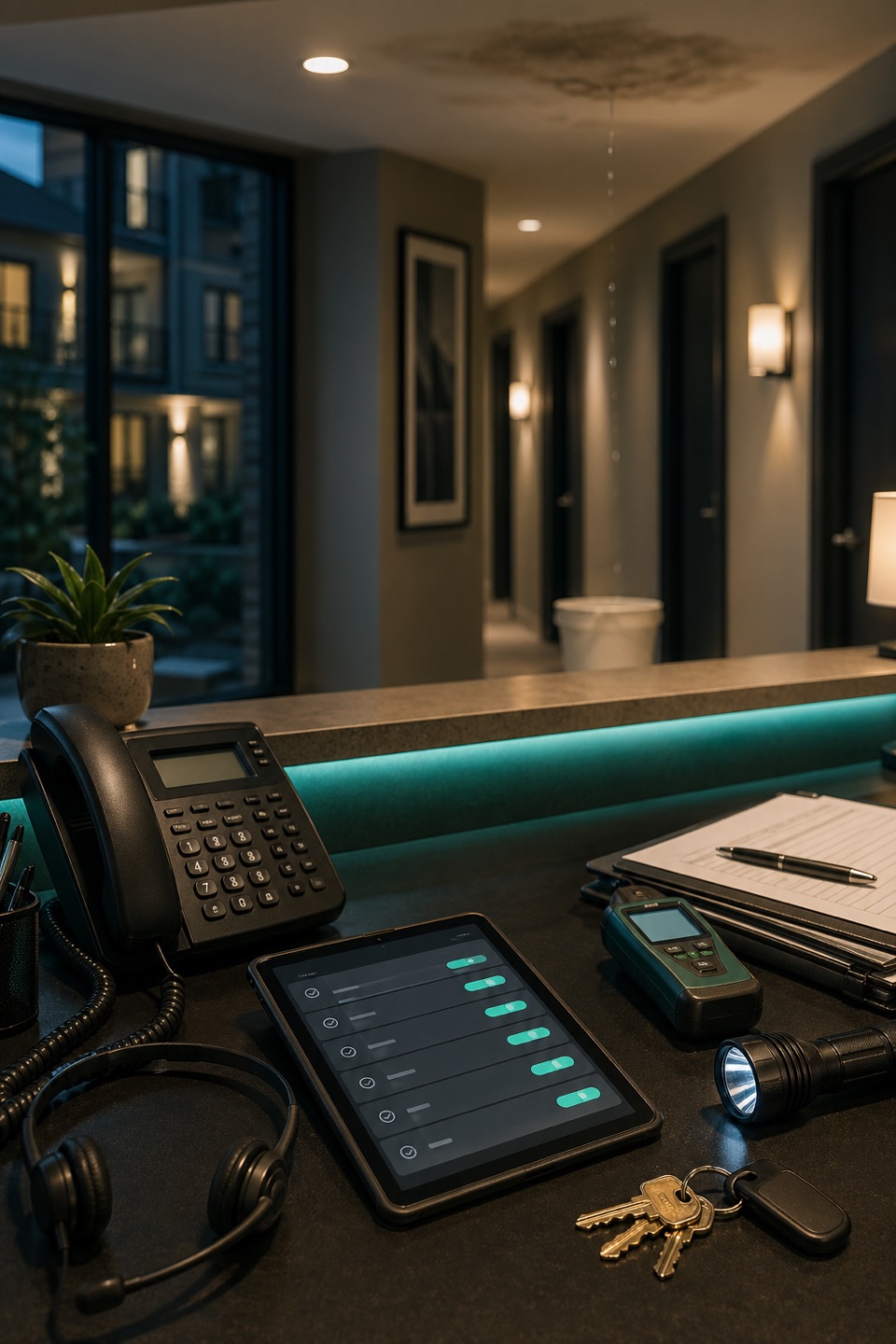
Tenant ceiling leak calls are not routine maintenance traffic. They are water-above-room moments where the first answer needs active water, proof, access, and a credible next step without unsafe promises.
Read resource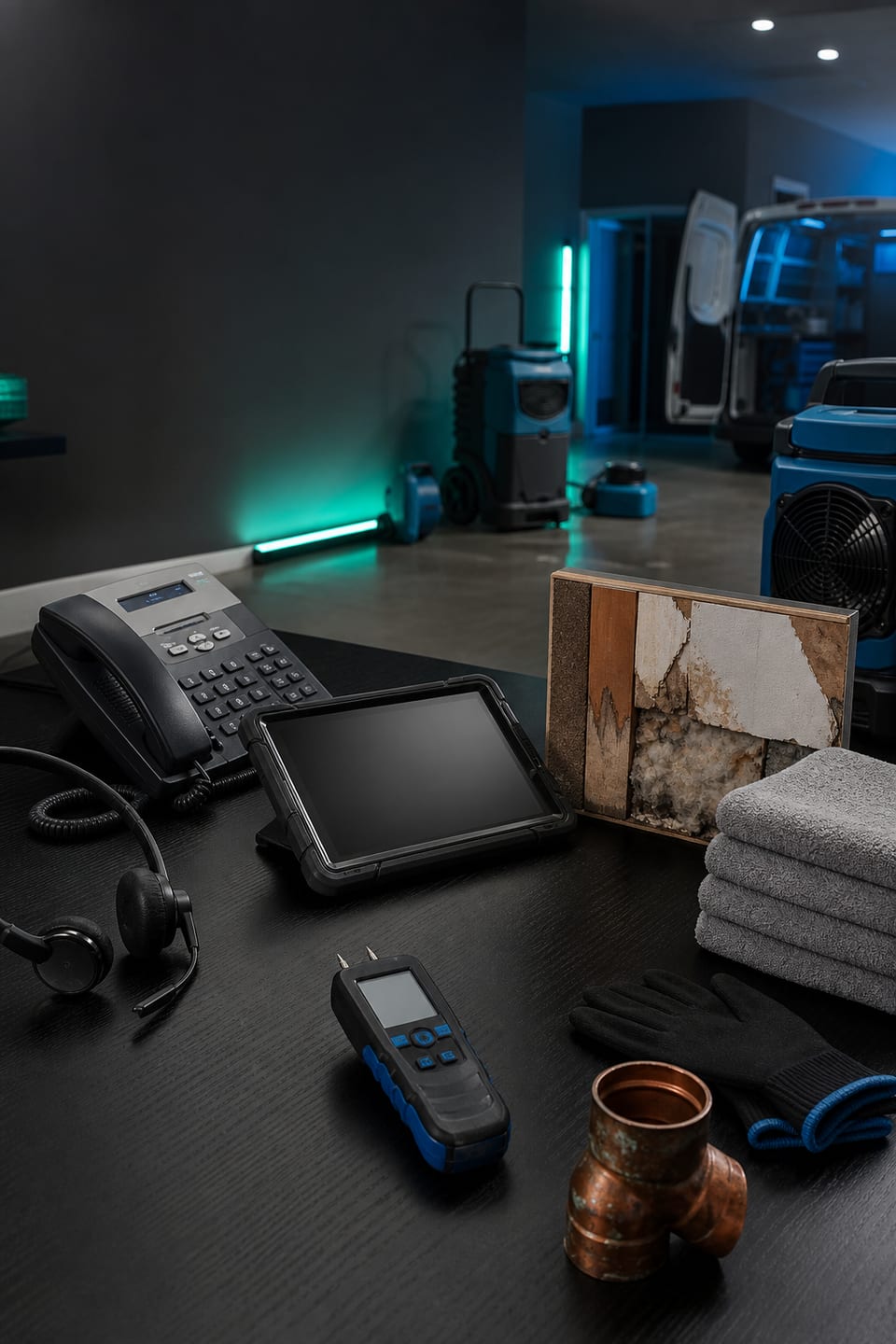
Burst pipe drying callers need a fast answer that captures source control, wet materials, photos, access, insurance context, and a credible next step before they keep searching.
Read resource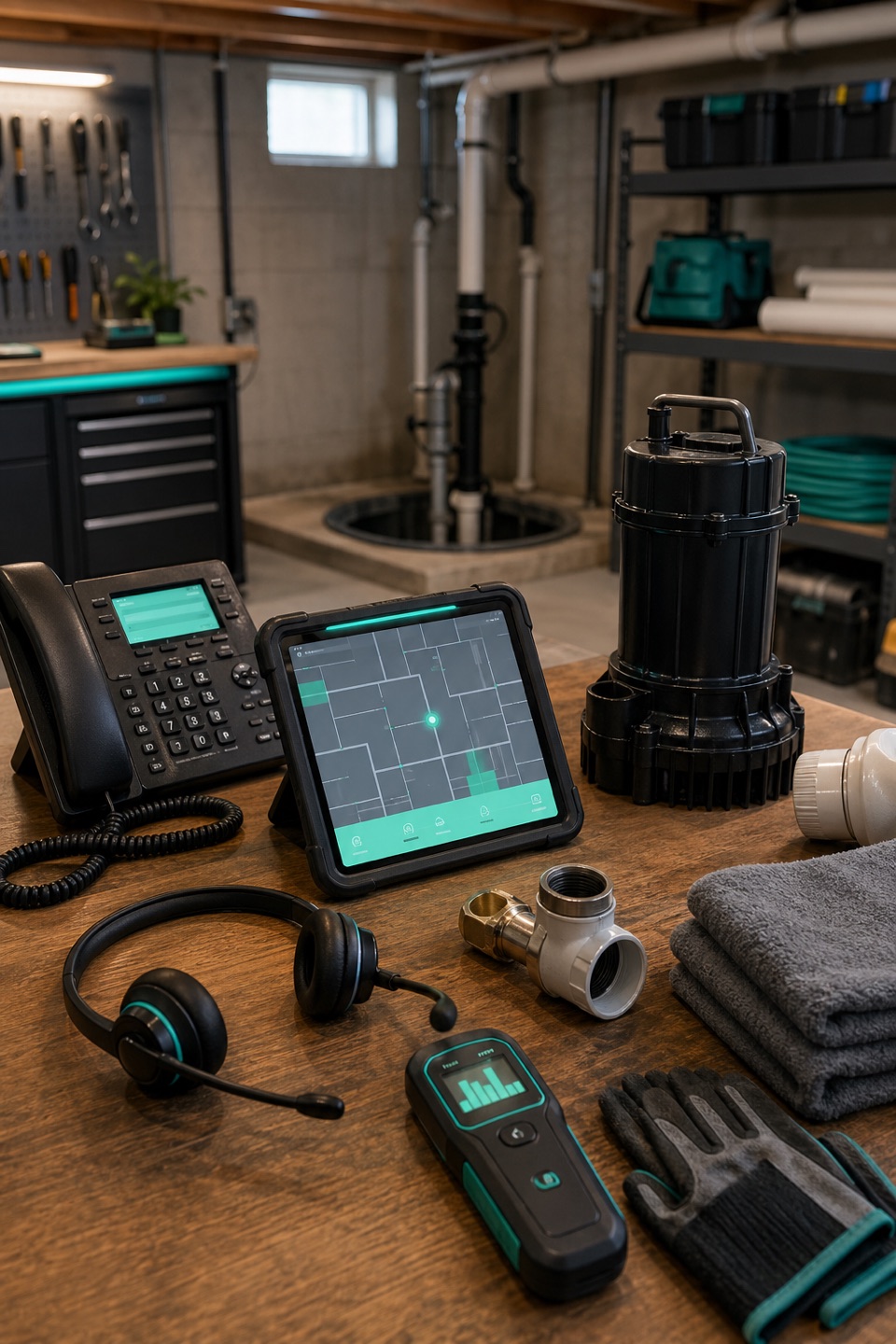
Sump pump failure callers need a fast answer that captures water level, pump behavior, power, backup, discharge, access, photos, affected space, and a credible next step before they keep searching.
Read resourceThese references support the phone demand, local search, and response speed claims above.
National Apartment Association • Accessed 2026-05-15
NAA sample maintenance-emergency guidance illustrating apartment examples such as no heat or air conditioning, no hot or cold water, water leaks, sewer backup, gas smell, electrical failure, and one-toilet stoppages.
Open sourceAngi • 2026-04-04 • Accessed 2026-05-13
Angi 2026 ceiling repair guide reporting an average ceiling repair cost of about $1,080, a normal range of $438-$1,724, water damage ceiling repair costs of $45-$55 per square foot, and the need to address underlying causes such as roof, pipe, or HVAC issues.
Open sourceBuildium • 2025-10-31 • Accessed 2026-05-15
Buildium research article reporting rising rental-owner demand for compliance help and renter-retention findings tied to maintenance investment and responsiveness to maintenance requests.
Open sourceBuildium • 2025 • Accessed 2026-05-15
Buildium renter expectations report showing communication preferences, including 43% preferring phone calls as a contact method and 20% wanting more communication from their property manager or landlord.
Open sourceAngi • 2026-03-17 • Accessed 2026-05-11
Angi 2026 cost guide reporting average water damage restoration cost of $3,863, a normal range of $1,383-$6,381, and possible costs from $450 to $16,000 depending on source and extent.
Open sourceANSI Webstore • 2021 • Accessed 2026-05-11
ANSI listing for the IICRC S500 standard describing procedures and precautions for professional water damage restoration in residential, commercial, and institutional buildings.
Open sourceU.S. Environmental Protection Agency • Accessed 2026-05-11
EPA flood cleanup guidance noting that mold can grow on wood, drywall, carpet, and furniture if they remain wet for more than 24 hours, and that qualified professionals may have water damage restoration or mold-removal certification.
Open sourceCDC • 2024-02-06 • Accessed 2026-05-11
CDC flood reentry guidance telling homeowners to dry out flooded homes as soon as possible, use pumps, fans, and dehumidifiers safely, and have flooded HVAC systems checked by professionals experienced in mold cleanup.
Open sourceInsurance Information Institute • Accessed 2026-05-07
Triple-I homeowners insurance statistics reporting 2023 homeowners claims frequency and severity, including water damage and freezing as the second-largest claim category by frequency.
Open sourceAppFolio • Accessed 2026-05-15
AppFolio maintenance operations guide describing real-time tracking, assignment, and completion of maintenance requests to improve communication between residents, vendors, and owners.
Open sourceInvoca • 2025-08-18 • Accessed 2026-05-16
Invoca analysis showing live answer-rate benchmarks across industries and calling behavior for high-stakes purchases.
Open sourceBrightLocal • 2025 • Accessed 2026-05-16
Survey of 1,000 US consumers about general and local search behavior, maps usage, and business information expectations.
Open source